
Acne Vulgaris 101: Basics, Differences, and Progression
Understand the fundamentals of acne, how it develops, and how it differs from similar skin conditions like rosacea.

Acne Vulgaris vs Rosacea
Although acne vulgaris and rosacea may appear similar at first glance, they are distinct skin conditions with different root causes, symptoms, and treatment approaches. Understanding these differences is crucial for choosing the right care strategy.
Acne Vulgaris
Acne vulgaris is the most common form of acne, driven by multiple factors like excess oil, clogged pores, and bacterial overgrowth. Below, explore its key characteristics and how it’s typically treated.
Symptoms:
- Pustules (white or yellow pus-filled bumps)
- Papules (small red, inflamed bumps)
- Blackheads and whiteheads (comedones)
- Oily or shiny skin
- Common on the face, chest, back, and shoulders
- Often occurs in adolescence or young adulthood
Causes
- Excess sebum production (stimulated by androgens)
- Overgrowth of Cutibacterium acnes (formerly P. acnes)
- Follicular hyperkeratinization (clogging of pores with dead skin)
- Inflammation triggered by bacterial overgrowth and immune response
- Genetic and hormonal factors often play a key role
Common Treatments:
- Topical retinoids (e.g., adapalene, tretinoin) to normalize cell turnover
- Benzoyl peroxide for antibacterial and anti-inflammatory effects
- Topical and oral antibiotics (e.g., clindamycin, doxycycline)
- Antimicrobial peptides like AKNETIDE® for targeting C. acnes without promoting resistance
- Gentle cleansers and non-comedogenic moisturizers for barrier support
Rosacea
Rosacea is a chronic skin condition that causes redness and visible blood vessels, often mistaken for acne. It affects the skin’s blood vessels and sensitivity, and is managed with medications and by avoiding triggers.
Symptoms:
- Persistent facial redness (especially cheeks and nose)
- Visible blood vessels (telangiectasia)
- Frequent flushing or blushing
- Burning or stinging skin sensation
- Sensitivity to skincare products
- Sensitivity to skincare products
Causes
- Vascular hyperreactivity – overactive blood vessels that dilate too easily
- Immune system dysregulation – abnormal inflammatory response
- Trigger sensitivity – heat, sun, spicy foods, alcohol, and stress
- Demodex mite overpopulation (in some cases)
- No bacterial overgrowth like in acne vulgaris
Common Treatments:
- Topical anti-inflammatories (e.g., metronidazole, azelaic acid)
- Laser or light therapy to reduce visible blood vessels
- Oral medications for moderate-to-severe cases (e.g., low-dose doxycycline)
- Trigger management – identifying and avoiding flare-up causes
- Gentle skincare to reduce sensitivity and restore barrier function
The 4 Main Dermal Causes of Acne Vulgaris
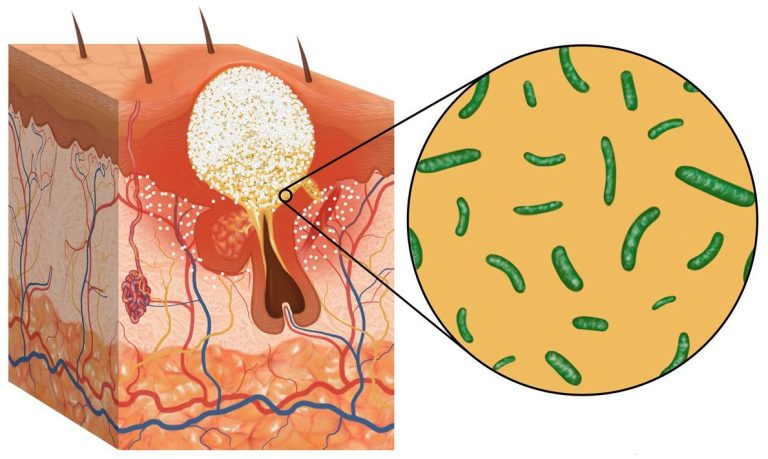
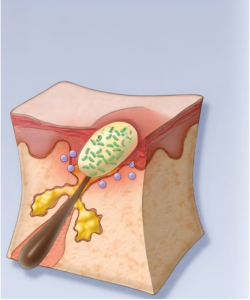
Acne vulgaris may show on the skin’s surface, but its root causes lie deeper, driven by excess oil, bacteria, inflammation, and disrupted skin cell turnover. Understanding these four core factors is key to choosing the right treatment.
01.
Excess Sebum Secretion

02.
Cutibacterium Acnes Proliferation
03.
Inflammation
04.
Follicular Hyperkeratinization

The 5 Stages of Acne Vulgaris
Acne doesn’t appear overnight — it follows a gradual progression, beginning deep within the skin and potentially ending in long-term scarring. Recognizing these five stages helps in early intervention and smarter treatment decisions.
01.
Microcomedones (Visible Beginning)
The very first sign of acne starts at the microscopic level. Excess oil, dead skin cells, and follicular buildup begin to block the pore.
02.
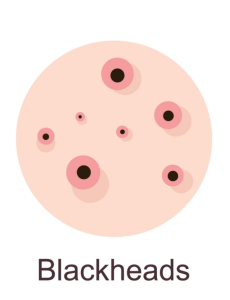
Comedones (Non-Inflammatory Lesions)
Pores clogged with oil and debris become visible as blackheads (open comedones). These are not yet inflamed but lesioned.
03.
Papules & Pustules (Inflammatory Lesions)
As C. acnes bacteria proliferate inside clogged pores, the immune system responds with inflammation, causing red bumps (papules) and pus-filled lesions (pustules).

04.
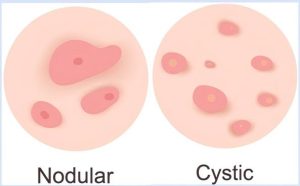
Nodules & Cysts (Severe Inflammation)
Deeper, more painful lesions form under the skin. These are often large, red, and resistant to over-the-counter treatments.
05.
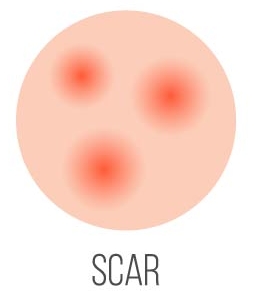
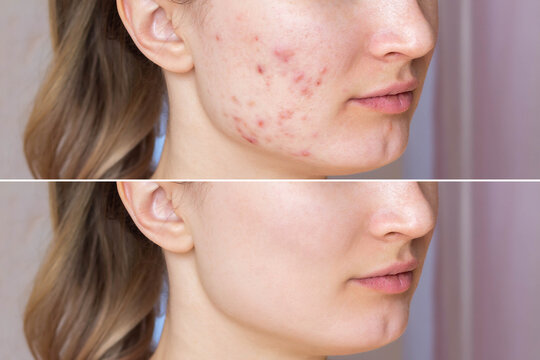
Post-Acne Scarring (Residual Effects)
After deep or prolonged inflammation, skin may heal with discoloration, texture irregularities, or permanent scars.
Why Early Acne Intervention Is Critical
Left untreated, acne can progress from minor congestion to painful inflammation and long-term scarring. The earlier you address the underlying causes, excess oil, clogged pores, bacteria, and inflammation, the easier it is to prevent complications and minimize long-term damage.
Whether you’re seeing the first signs or dealing with more advanced lesions, science-backed solutions can help you break the cycle before it worsens.
Learn About OUR Solutions
Now that you understand how acne starts and progresses, the next step is knowing how to stop it, effectively, safely, and at the source. Explore how both mainstream ingredients and advanced innovations like AKNETIDE® work to disrupt the acne cycle and restore skin clarity.
Frequently Asked Questions
Acne vulgaris is a chronic inflammatory skin condition affecting the pilosebaceous unit — the hair follicle and its associated sebaceous gland. It is caused by four main factors: excess sebum production, follicular hyperkeratinisation, colonisation by Cutibacterium acnes, and inflammatory responses. Acne affects an estimated 9.4% of the global population, making it the eighth most prevalent disease worldwide (Tan & Bhate, British Journal of Dermatology, 2015).
Acne vulgaris and rosacea are distinct conditions often confused due to facial redness and breakouts. Acne vulgaris involves comedones (blackheads and whiteheads), papules, and pustules driven by bacterial activity and sebum overproduction. Rosacea involves persistent redness, flushing, and visible blood vessels, typically without comedones, and is triggered by environmental factors rather than bacterial colonisation. rather than bacterial colonisation.
Acne vulgaris progresses through five stages:
(1) microcomedone formation;
(2) open/closed comedones (blackheads and whiteheads);
(3) papules and pustules as inflammation develops;
(4) nodules — deeper, painful lesions, and;
(5) cysts — the most severe form, which carries the highest risk of permanent scarring.
Early intervention prevents progression from mild comedonal acne to inflammatory nodules and cysts. Scarring from severe acne is irreversible; research shows that 95% of people with moderate-to-severe acne develop some degree of permanent scarring if untreated (Goodman, Australasian Journal of Dermatology, 2011). Treating acne at stages 1–3 significantly reduces long-term skin damage.
Common treatments range from topical actives (salicylic acid, benzoyl peroxide, retinoids, azelaic acid) to prescription antibiotics and, in severe cases, isotretinoin. Newer cosmetic-grade actives — including antimicrobial cyclopeptides like AKNETIDE® — target multiple acne pathways simultaneously while maintaining tolerability for sensitive skin.